
What to notice
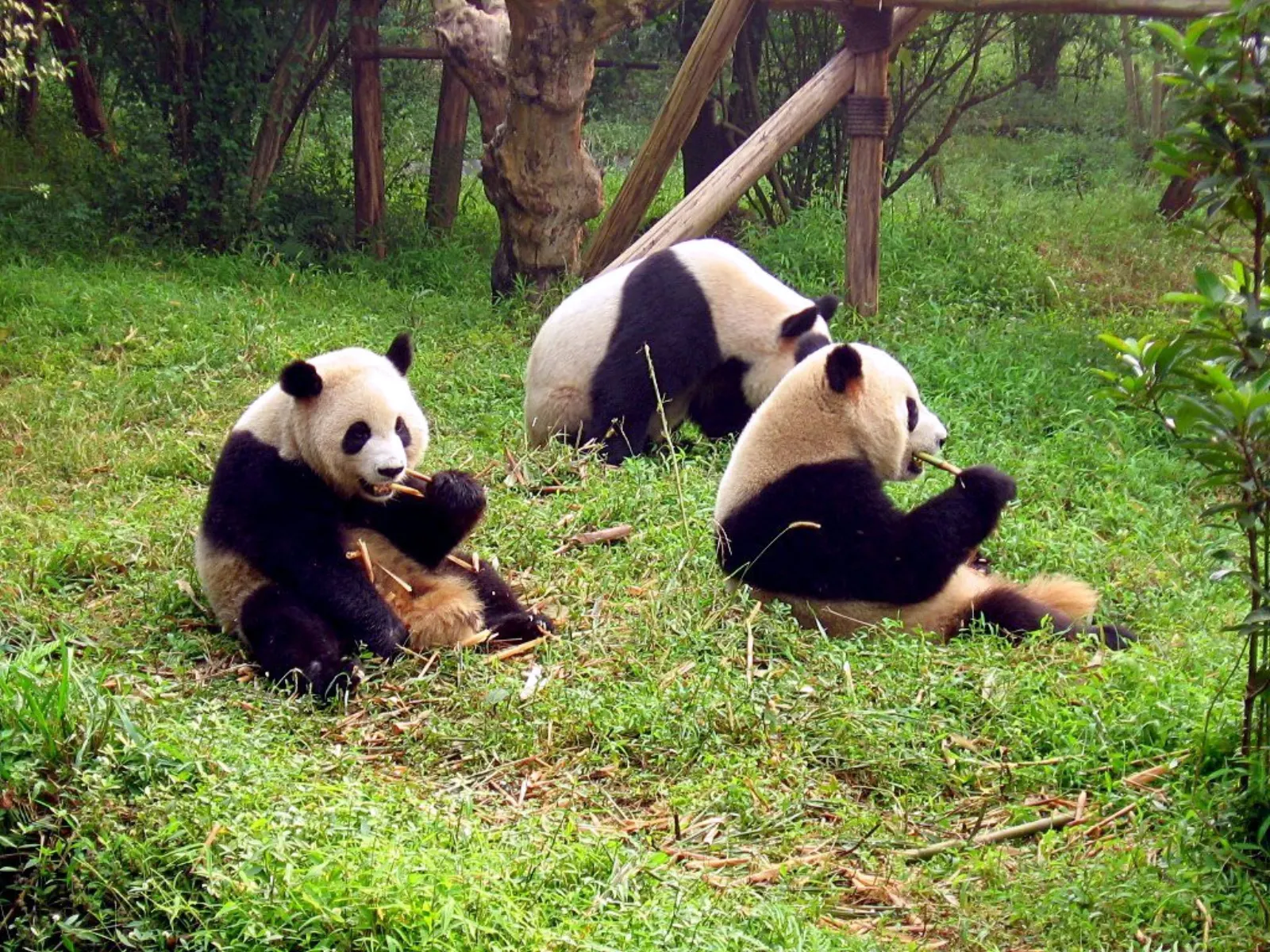
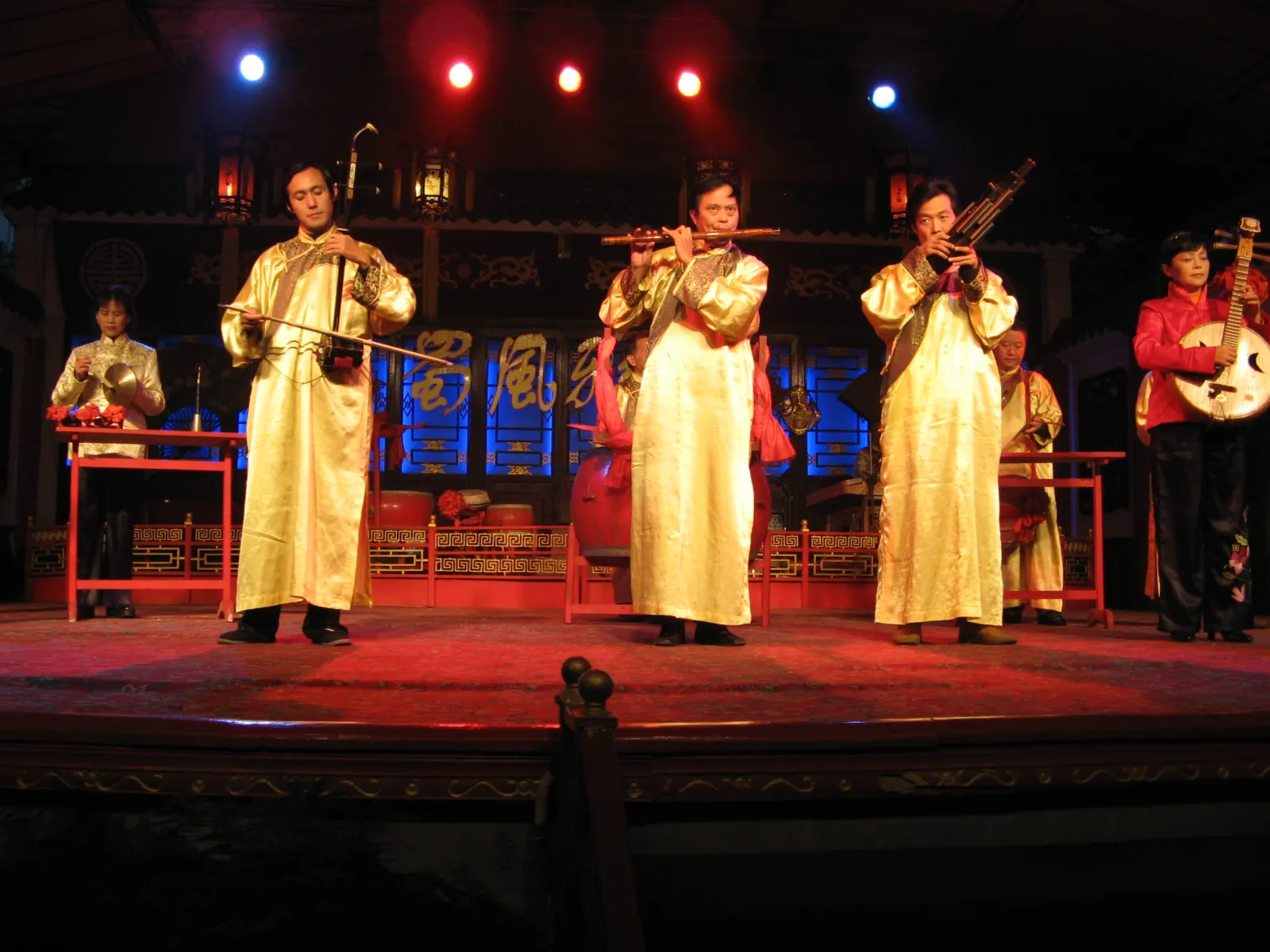
At the panda base, notice shade, enclosure design, food preparation and visitor distance rather than seeking a staged close-up. In the city, compare memorial architecture with the open social time of a tea house.
Transport
The panda base and western mountain sites are road/transfer days even when a map looks close. Start earlier than the headline opening time, confirm the pickup gate and keep a weather fallback. Live traffic and animal-care operations determine the pace.
Estimated cost
Planning range: RMB 1,000–2,000 per person before hotel and flights. Separate admission, road/rail transfers, guide interpretation, tea-house spending and meals. A low ticket price does not remove the need for an early vehicle or a return buffer.
Food
Chengdu food can be spicy, numbing and communal. Ask for a clear spice level, separate one non-spicy dish for mixed groups and allow time for tea or dessert. A small local breakfast is often more useful than a famous restaurant far from the next stop.
Where to stay
Central metro access around lines 2, 3 or 4 keeps the first days flexible. Only sleep closer to the mountain when the next day’s route and weather justify the move; otherwise one stable base reduces friction.
Cultural context
Chengdu’s identity is not a choice between leisure and history. Shu memory, irrigation, animal care, tea culture and contemporary neighbourhood life all depend on how people organise time and water.
Local etiquette
Do not tap glass, feed animals or use flash where prohibited. In shrines and teahouses, keep voices moderate and ask before photographing performers or regulars. Respect queues and local seating customs.
Accessibility
The panda base can mean long paths and slopes; mountain routes add uneven ground. Request a shorter loop, shuttle information and rest points before tickets. Tea houses may have low seating, so note comfort needs in advance.
Alternative route
If the mountain weather turns, use a city museum, irrigation interpretation centre or second tea-house neighbourhood. If the panda base is crowded, prioritise welfare-focused viewing and remove optional souvenir stops.
Field note
Chengdu’s calm is engineered: shade, water, tea, food and public time make a different kind of city. The trip works when visitors notice the systems behind the apparent ease.
Before you go
Animal-care routes, opening notices, mountain access, weather, rail/road duration and performance availability can change. Times and prices are estimates; current operators and confirmed tickets prevail.
In brief
Protect the early panda transfer, give the city a slow shrine-and-tea day and choose only one major mountain/water extension. Chengdu rewards a route that leaves room for care, not just consumption.