
What to notice
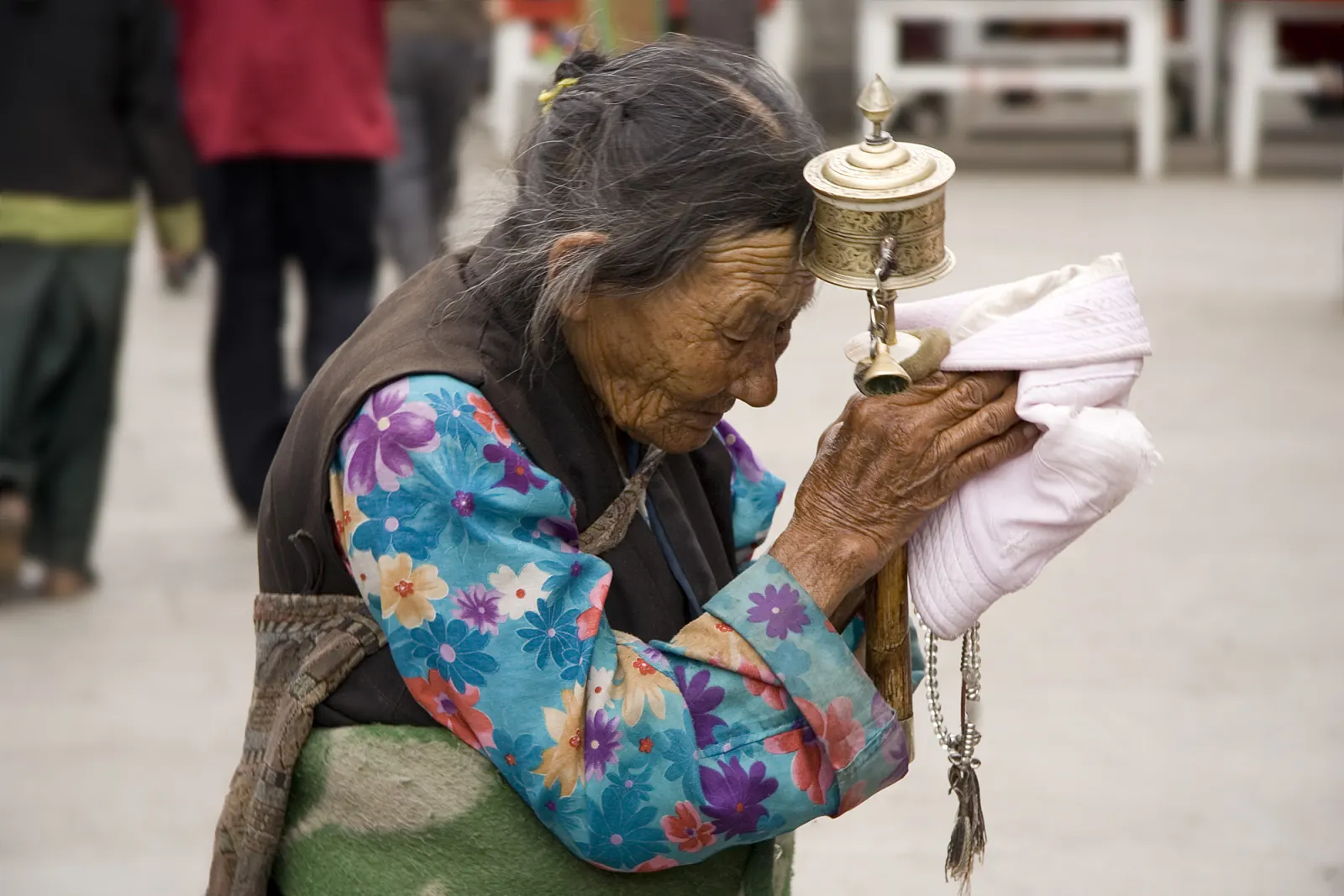
Notice how movement itself carries meaning: clockwise circulation, thresholds, prostration, incense and pauses. Ask before interpreting a ritual, and distinguish what a visitor sees from what a practitioner is doing.
Transport
Central Lhasa can be walked in short segments, but altitude makes even a small climb significant. Longer excursions require a confirmed vehicle, permit and weather window. Travel time and altitude response are estimates, not guarantees.
Estimated cost
Planning range: RMB 1,800–3,500 per person before hotel, flights and permits. Separate admissions, guide/vehicle, oxygen or medical contingencies, meals and any lake/valley route. Do not hide health-related contingency costs.
Food
Choose smaller meals, warm fluids and familiar foods while acclimatising. Tibetan noodles and sweet tea can be useful, but the group’s health matters more than trying every speciality on day one.
Where to stay
A stable central base near the confirmed guide and permit plan reduces walking and luggage transfers. Quiet rooms, heating/cooling information and access to water are more important than a dramatic rooftop view.
Cultural context
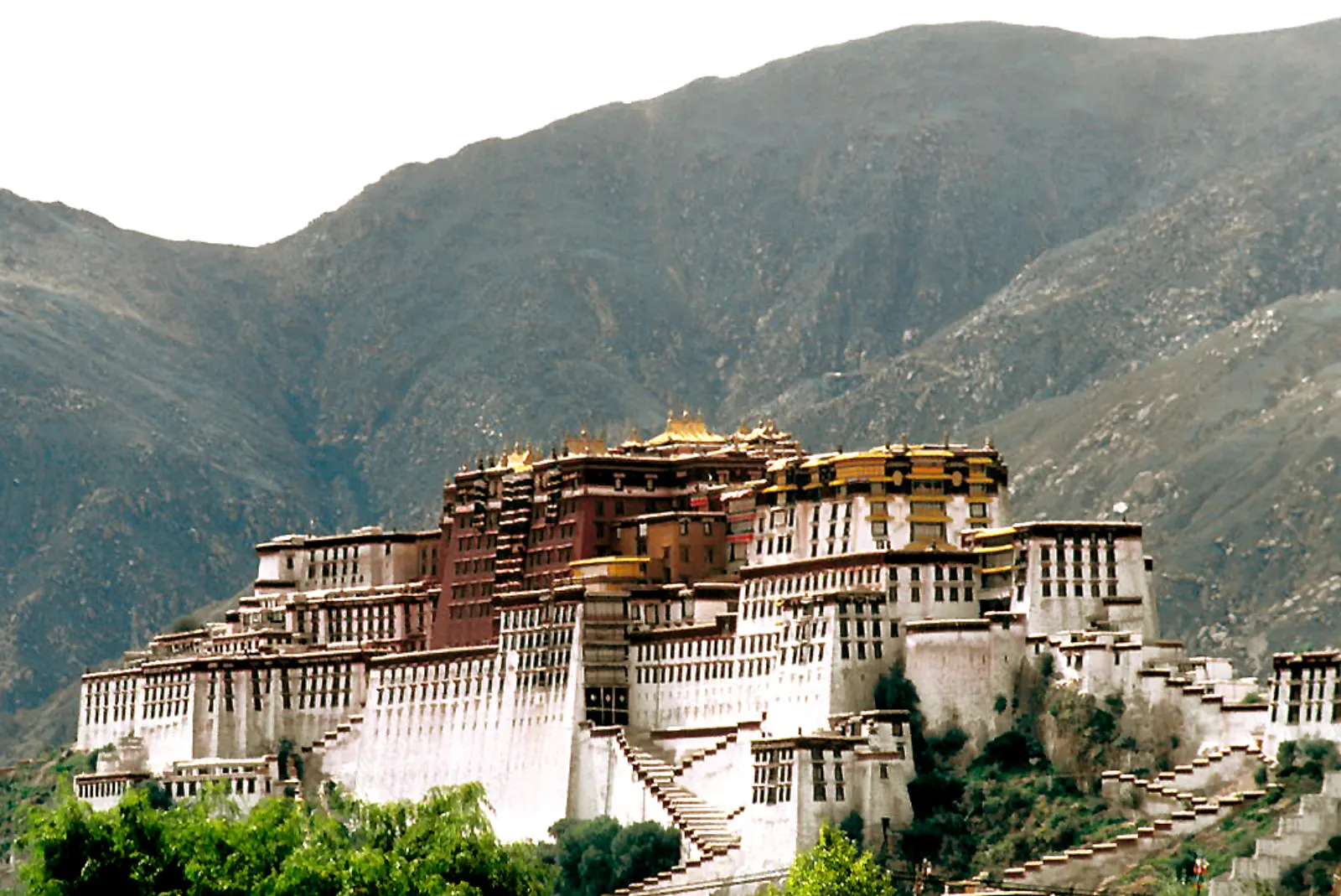
Lhasa is a living religious and civic centre, not an open-air museum. The Potala and Jokhang have architectural power, but the surrounding devotional movement and ordinary city life are part of what visitors are entering.
Local etiquette
Dress and behave respectfully, follow clockwise circulation where indicated, do not touch sacred objects, and ask before photographing worshippers. Never turn a pilgrimage route into a staged portrait or block movement for a shot.
Accessibility
Altitude can affect mobility, breathing, sleep and concentration even for fit travellers. Share medical and mobility needs before booking, carry prescribed medication, and accept a shorter route or rest day without treating it as failure.
Alternative route
If symptoms, weather or permits make a long excursion unwise, keep the plan inside central Lhasa with rest, one confirmed cultural site and a short neighbourhood walk. The alternative preserves meaning while reducing altitude and road exposure.
Field note
Lhasa asks for a slower eye. The most respectful travel is not passive; it is attentive to whose ritual is happening, how the body responds and which parts of the place cannot be turned into a product.
Before you go
Permits, entry slots, health conditions, weather, road access and site rules are date-specific. All times, prices and altitude responses here are planning estimates; current authorities, operators and medical advice prevail.
In brief
Acclimatise first, confirm permits and slots, move with worship rather than against it, and keep any highland extension optional. TourGoo can coordinate the logistics, but the body’s live response sets the final itinerary.