
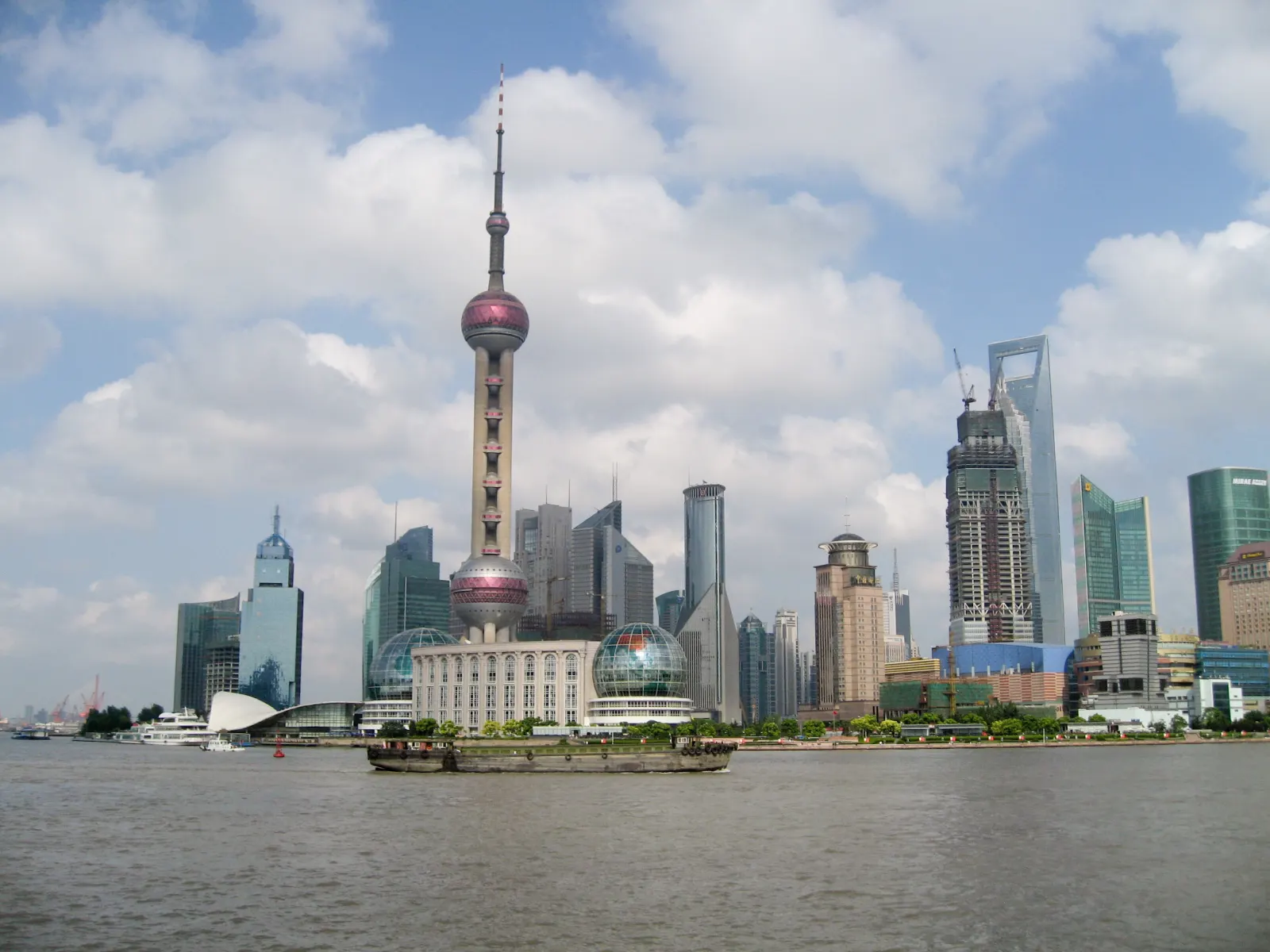
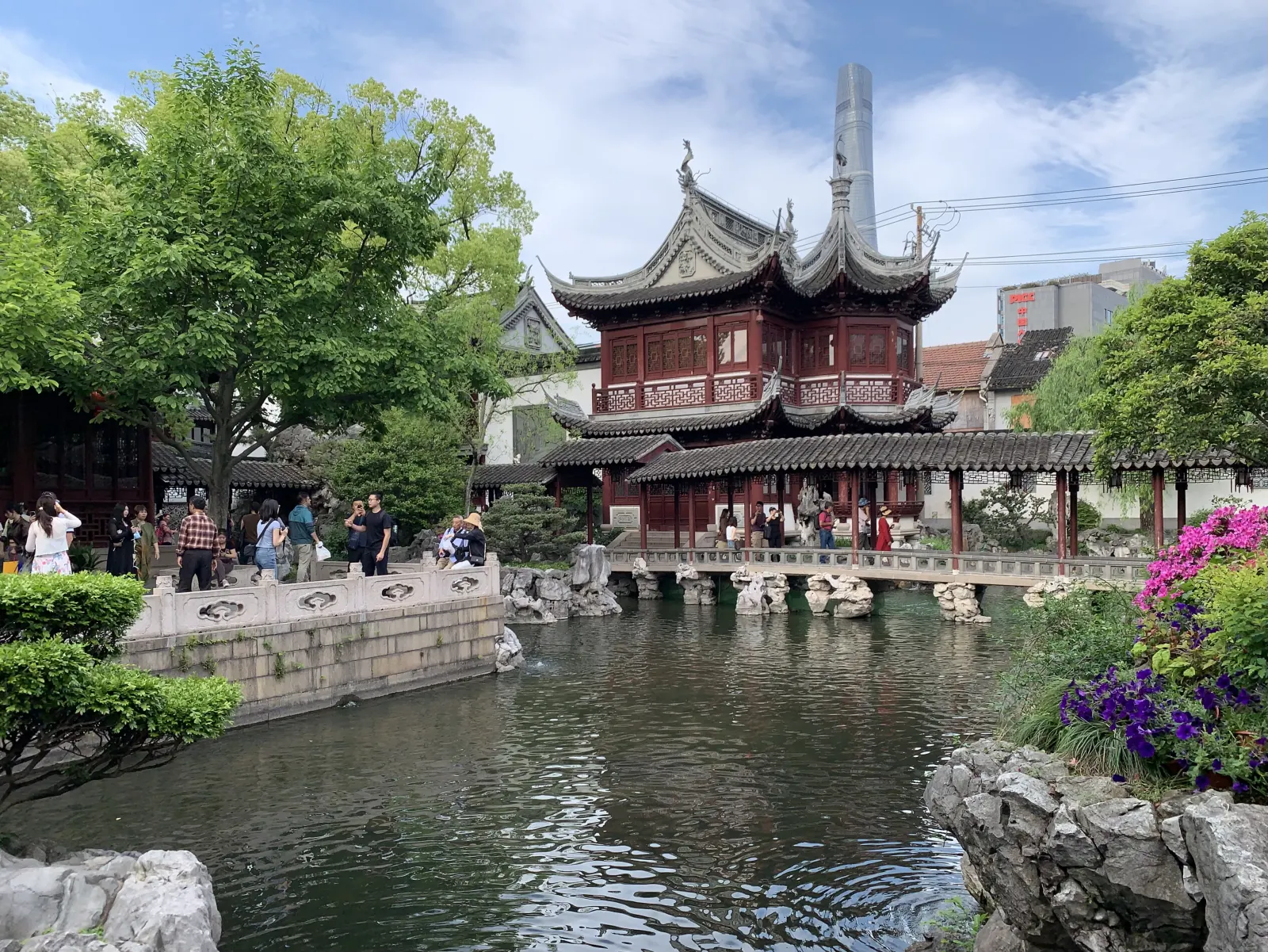
What to notice
Compare public frontage and private threshold: the Bund’s monumental facades, a garden’s controlled sequence and a lane’s semi-shared space each organise people differently. Notice what has been preserved, adapted or commercially repackaged.
Transport
Shanghai’s metro is usually the backbone, but transfers can be long and station exits matter. Build the day around one or two lines, confirm the correct exit and keep a road fallback for airport, station or water-town legs. Live crowds and weather outrank a map’s ideal time.
Estimated cost
Planning range: RMB 1,400–2,600 per person before hotel and flights. Separate timed admissions, local transport, a road/water-town transfer, guide interpretation and meals. Avoid assuming that a free public space has no queue or time cost.
Food
Try xiaolongbao or shengjian at a busy but orderly breakfast shop, then leave dinner flexible. Ask about queues, allergens and portion sizes; the best meal may be in a neighbourhood reached without crossing the whole city.
Where to stay
People’s Square, Jing’an or a reliable metro interchange makes the city easier to read than a hotel chosen only for a skyline. Check the walk from the station at night and the first transfer required by the next morning’s reservation.
Cultural context
Shanghai’s heritage is layered through treaty-port architecture, Chinese commercial networks, gardens, migration and constant redevelopment. Do not treat “old” and “modern” as separate districts; the tension between them is the subject.
Local etiquette
Keep pedestrian lanes clear, ask before photographing residents or shop interiors, and follow museum and garden rules. On crowded metro platforms, let people exit before boarding and keep bags close.
Accessibility
Metro interchanges can mean long corridors and stairs despite lifts at some stations. Confirm step-free routes, allow extra transfer time and prefer a compact neighbourhood loop when heat or crowds make a cross-city plan exhausting.
Alternative route
If the water-town transfer becomes unreliable, replace it with a riverside park, museum extension or former-concession walking loop. If rain arrives, protect the garden and collection visits and remove only the exposed photo detours.
Field note
Shanghai is most generous when the itinerary stops trying to prove that it is futuristic. A garden gate, a lane repair and the river’s changing light can explain the city more accurately than one more observation deck.
Before you go
Museum slots, garden entry, weather, metro crowding, ferry/road conditions and airport security are date-specific. Times and budgets are estimates; current operators and confirmed tickets prevail, and TourGoo rechecks the route before final booking.
In brief
Use the metro as a spine, not a challenge. Pair one monumental waterfront, one enclosed garden, one evidence-rich collection and one lived-in district, then leave enough space for Shanghai’s real transfer times.