
What to notice
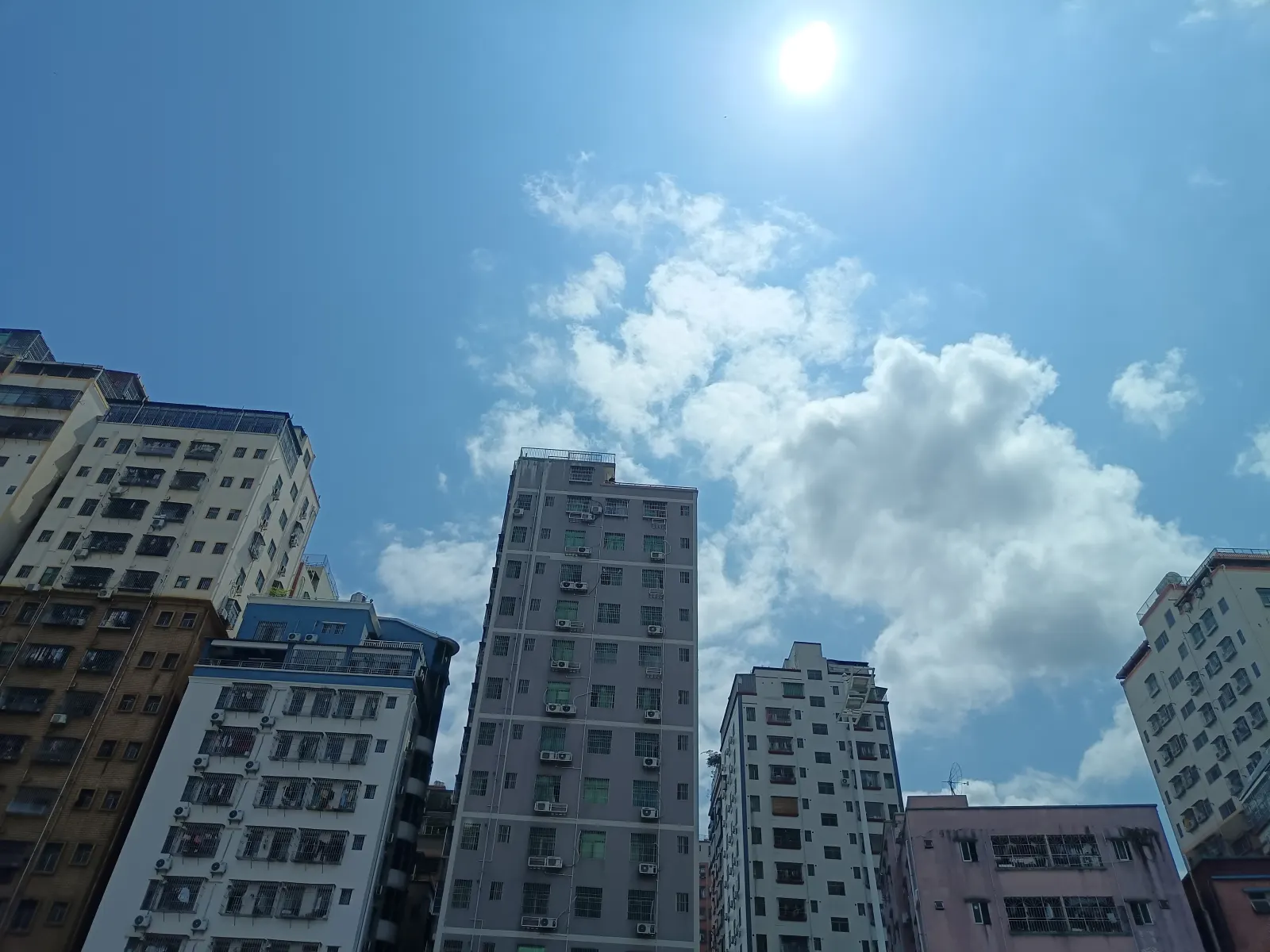
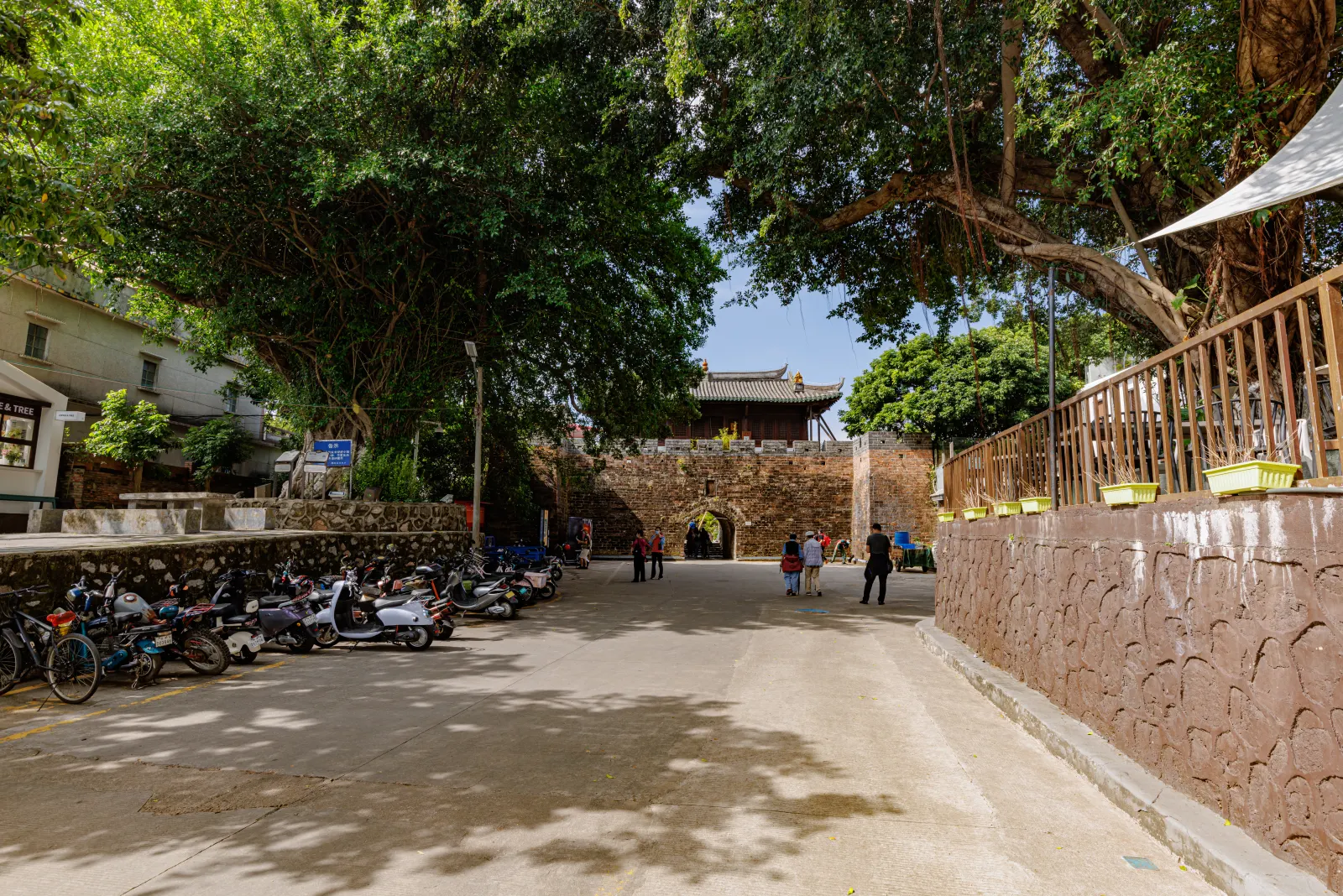
Look for the city’s seams: a village beside a tower, a port beside a park, or a historic wall beside a new road. These edges explain Shenzhen more accurately than a single skyline photograph.
Transport
Metro covers the core well, while Dapeng is a road commitment. Leave a full-day margin, use a confirmed pickup point and do not promise a fixed coastal arrival time. Weather, traffic and event controls can alter the order.
Estimated cost
Planning range: RMB 1,100–2,100 per person before hotel and flights. Separate museum admission where applicable, metro, the Dapeng vehicle, guide interpretation, meals and optional coastal activities. Keep a weather-related change budget.
Food
Use one dim-sum breakfast to understand Cantonese pacing, then choose a coastal meal with clear seafood pricing. A market-style evening near the hotel is often more useful than crossing the city for a famous queue.
Where to stay
Futian is practical for rail and airport links; Nanshan offers a calmer base for museums, parks and Shekou. Choose one base for the four-day frame whenever possible.
Cultural context
Shenzhen is a young metropolis built through migration, manufacturing, design and policy. Its heritage is often found in transitions—villages, ports, factories and public parks—rather than a single ancient centre.
Local etiquette
Do not enter residential villages or photograph people at work as if they were exhibits. Keep coastal and fortification areas clean, follow local safety signs and avoid climbing structures that are not open to visitors.
Accessibility
Urban museums and metro stations may be accessible, while Dapeng lanes and coastal surfaces can be uneven. Ask for step-free routes and a vehicle with enough luggage/assistive-device space before fixing the day.
Alternative route
If the coast is wet or roads slow, replace Dapeng with a Nanshan–Shekou indoor route and a design or history collection. Preserve the coastal day for a confirmed weather window rather than forcing it.
Field note
Shenzhen becomes human at the edges of its speed: a village lane, an old fort wall, a port smell and a new park. The route should make those overlaps visible, not hide them behind a polished skyline.
Before you go
Museum opening, road controls, weather, coastal safety, traffic and event closures are date-specific. Prices and durations are estimates; current operators, confirmed tickets and local safety instructions prevail.
In brief
Give the city core two compact days, protect a full Dapeng day and keep the final transfer independent. Shenzhen is best understood through its seams between planned future and lived past.